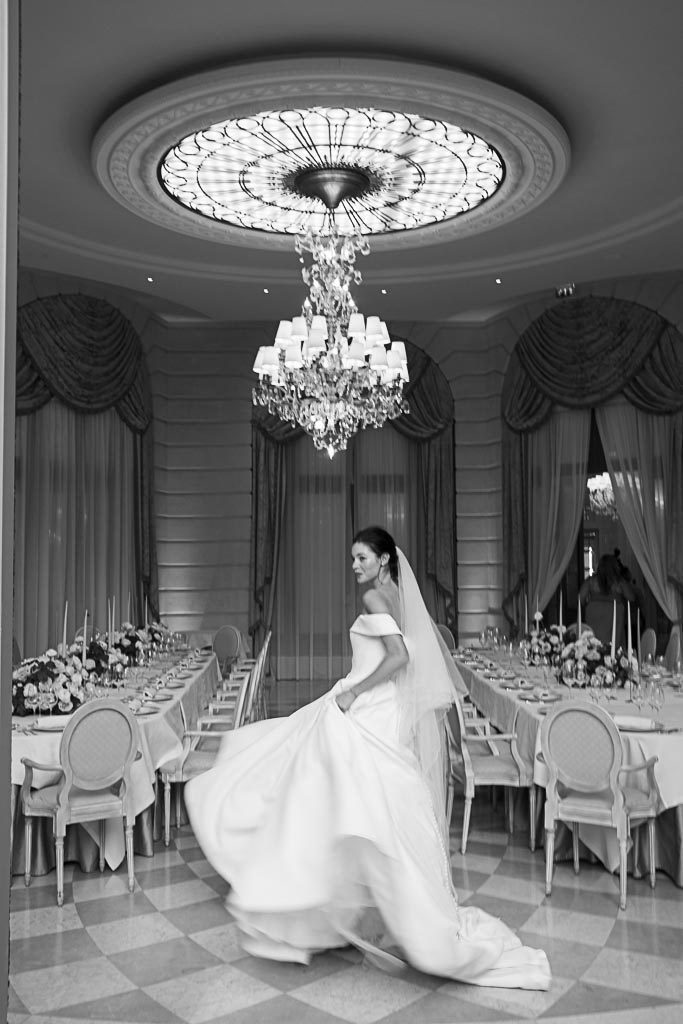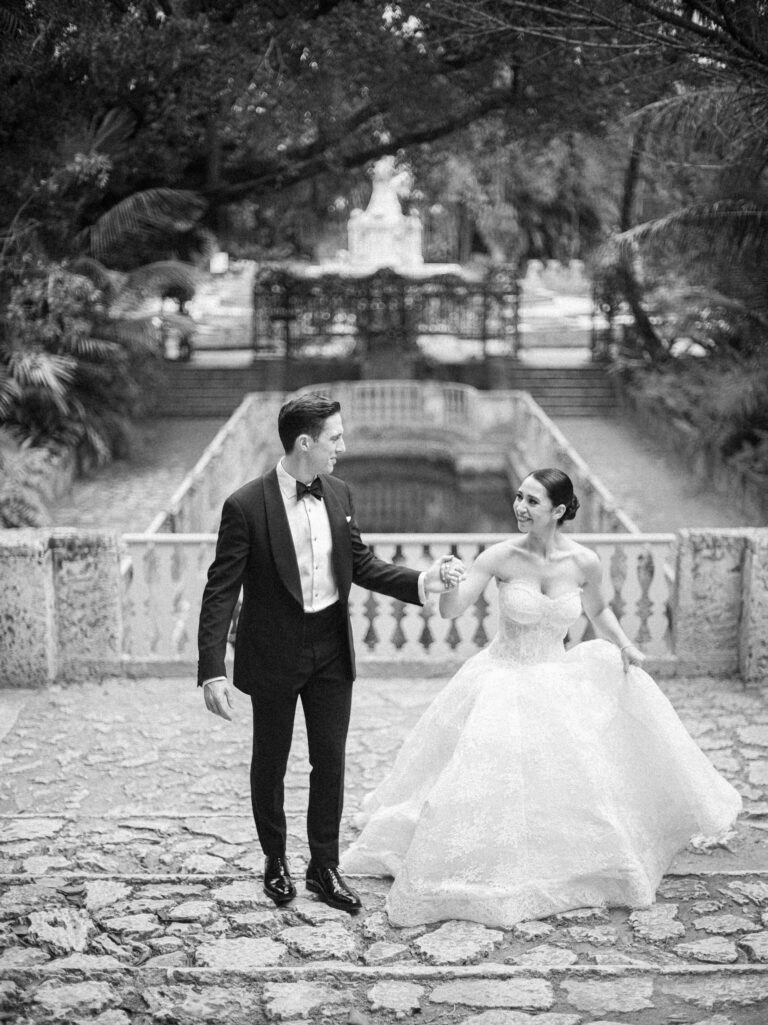
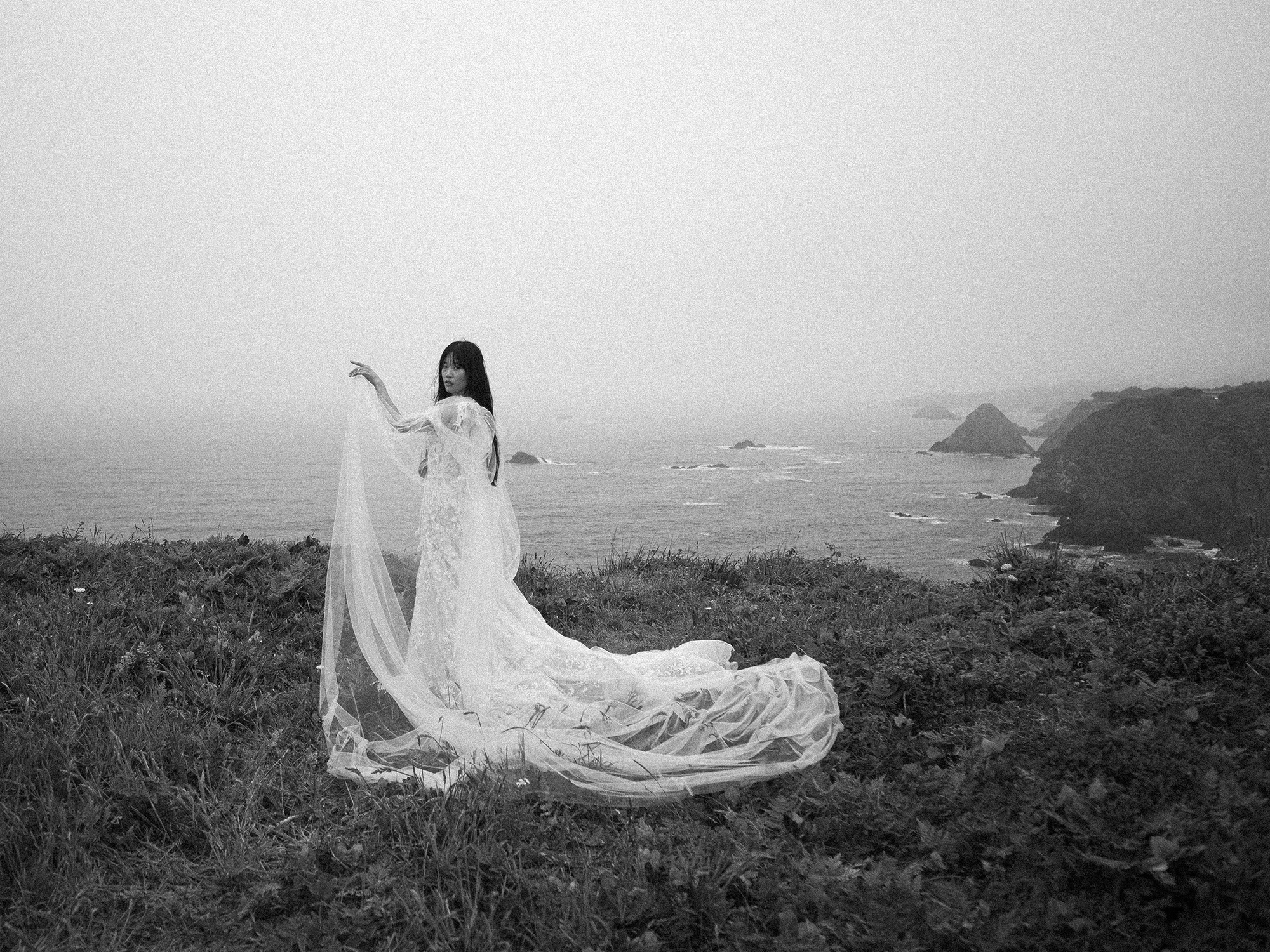
Why Film Wedding Photography is the Secret to Timeless, Soulful Images
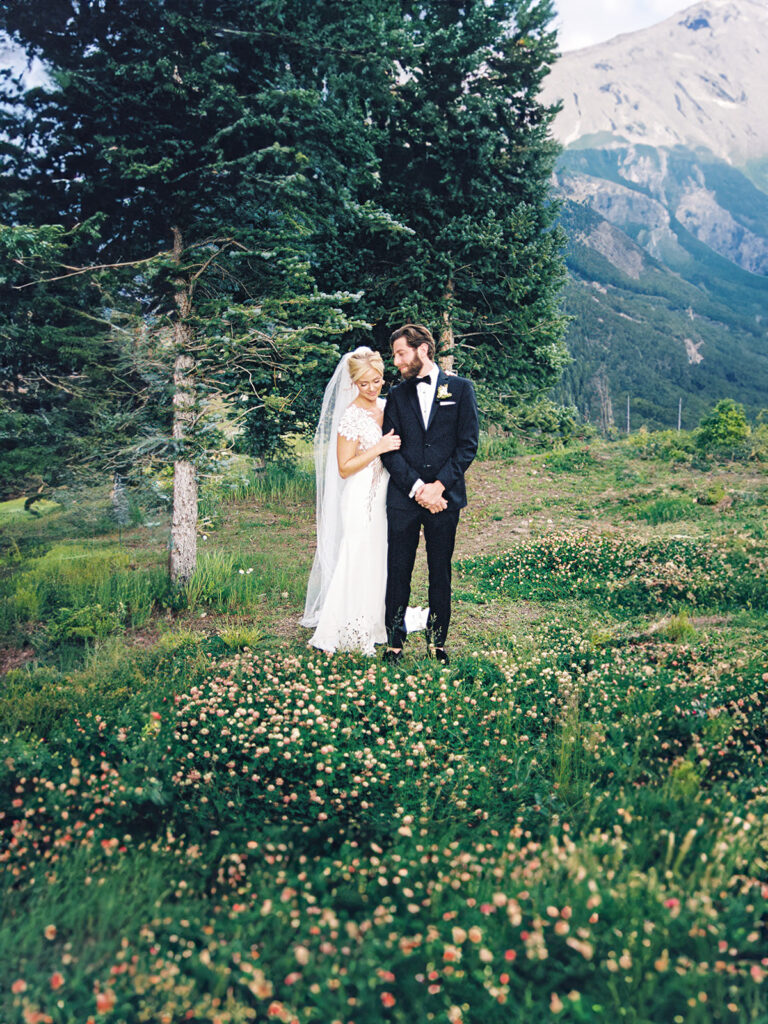
In a world of “instant” everything, there is a quiet, radical power in the slow shutter of a Leica or the mechanical advance of a Contax 645. As a photographer splitting my time between the rugged peaks of the Colorado Rockies and the weathered stone streets of Paris, I am often asked why I still choose to shoot on analog film.
The answer is simple: Film feels like a memory; digital feels like a file.
For my couples, the choice to hire a fine art film wedding photographer isn’t just about a “vintage look.” It’s about an intentional approach to documenting one of the most significant days of their lives.
The Soulful Aesthetic: Why “True-to-Color” Matters
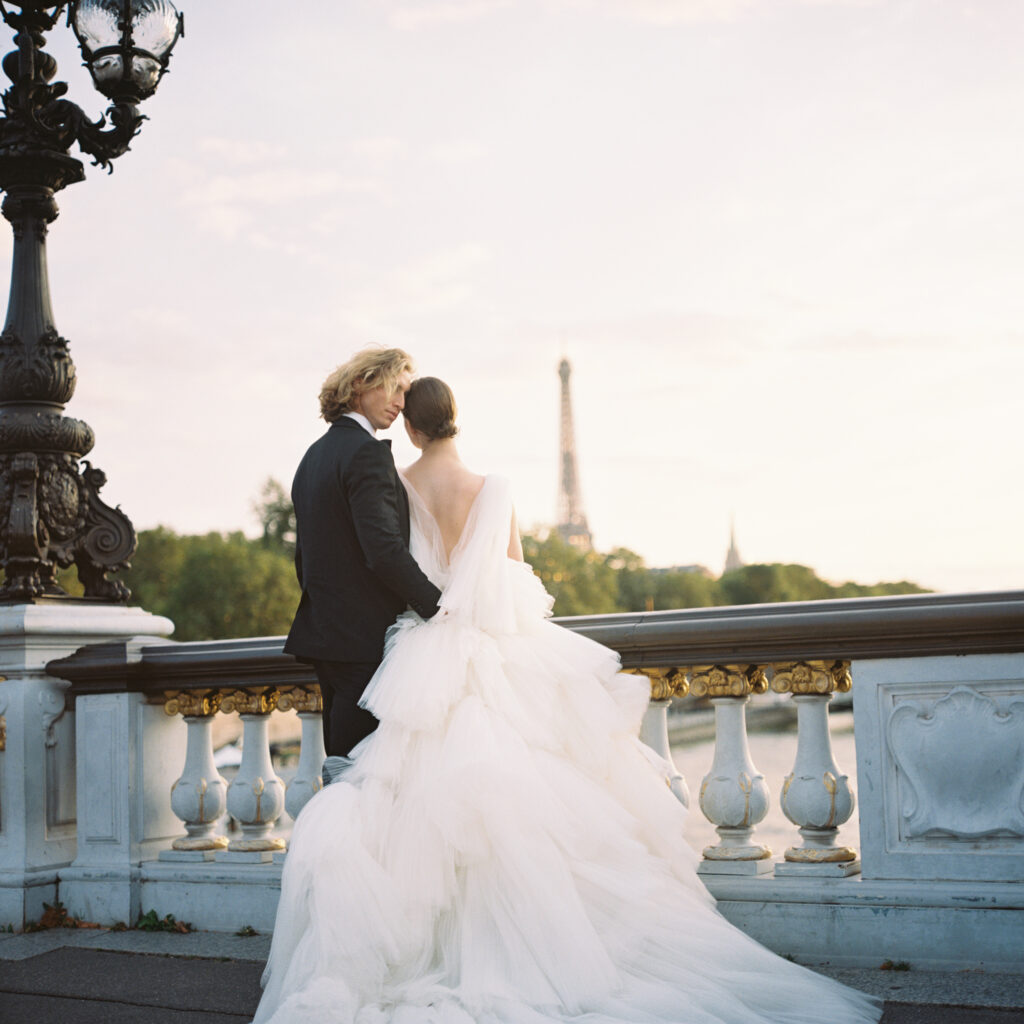
Most digital sensors struggle with “clipping” highlights meaning that beautiful detail in your silk gown or the subtle texture of a Parisian sunset often gets lost in a sea of white pixels.
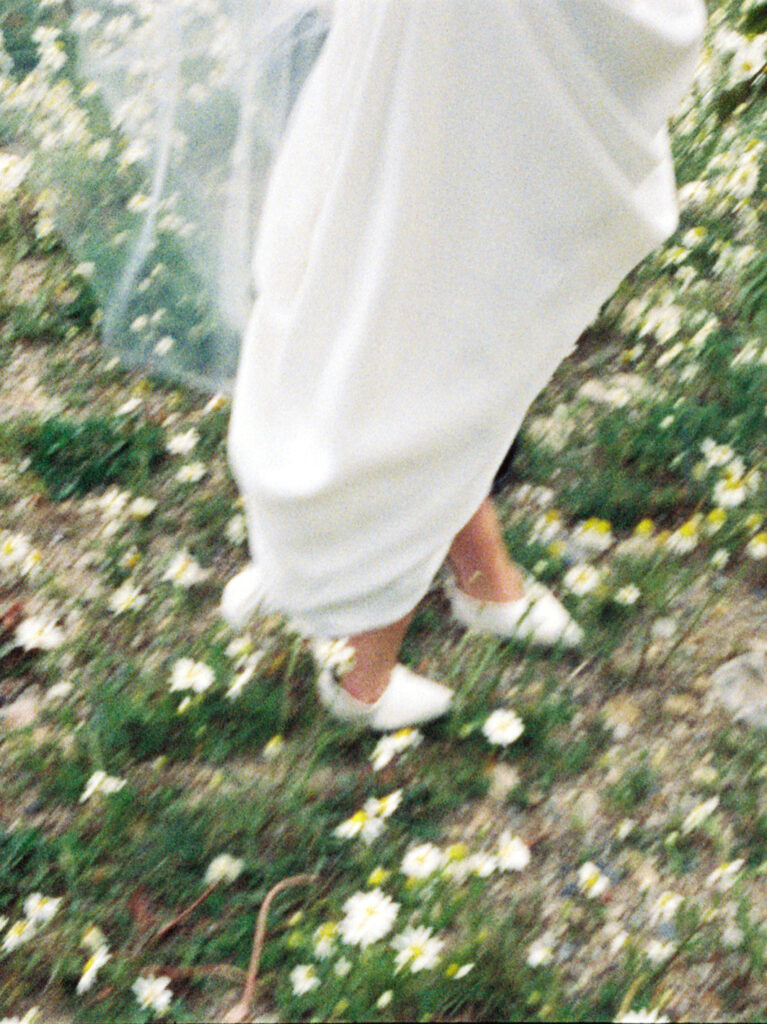
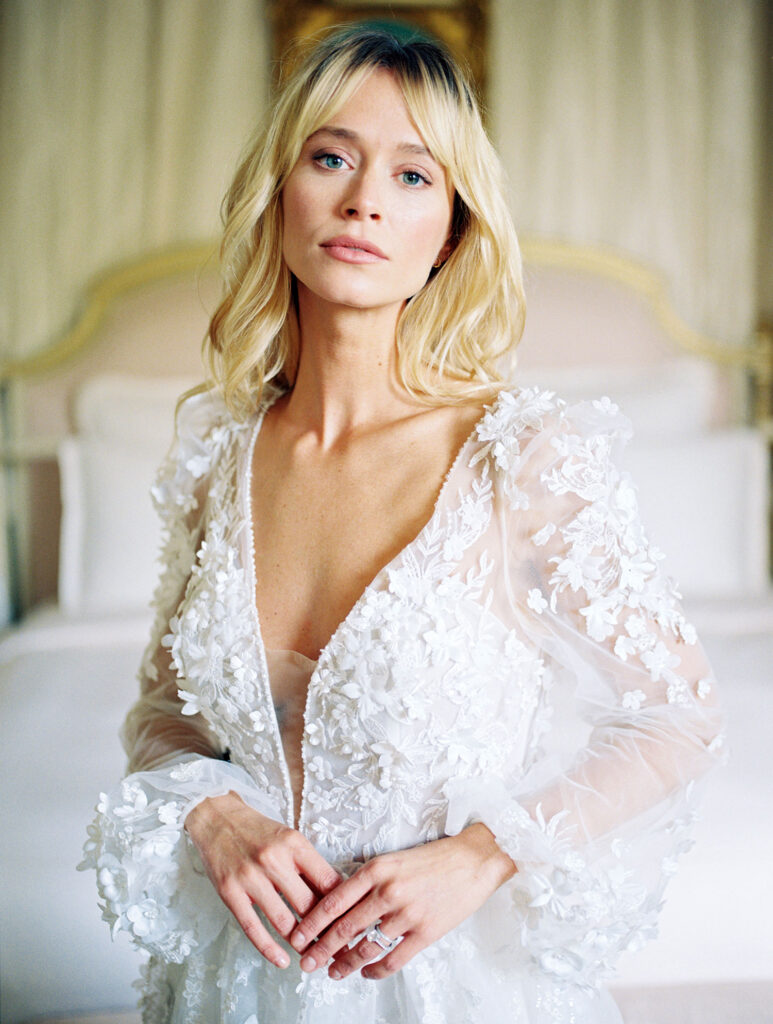
Film handles light differently. It has a “painterly” quality that preserves the depth of every shadow and the softness of every skin tone. When we are shooting at 12,000 feet in Telluride or under the golden glow of a cafe in the Marais, film captures the vibrancy of the moment without looking over-processed or “trendy.” It is truly timeless.
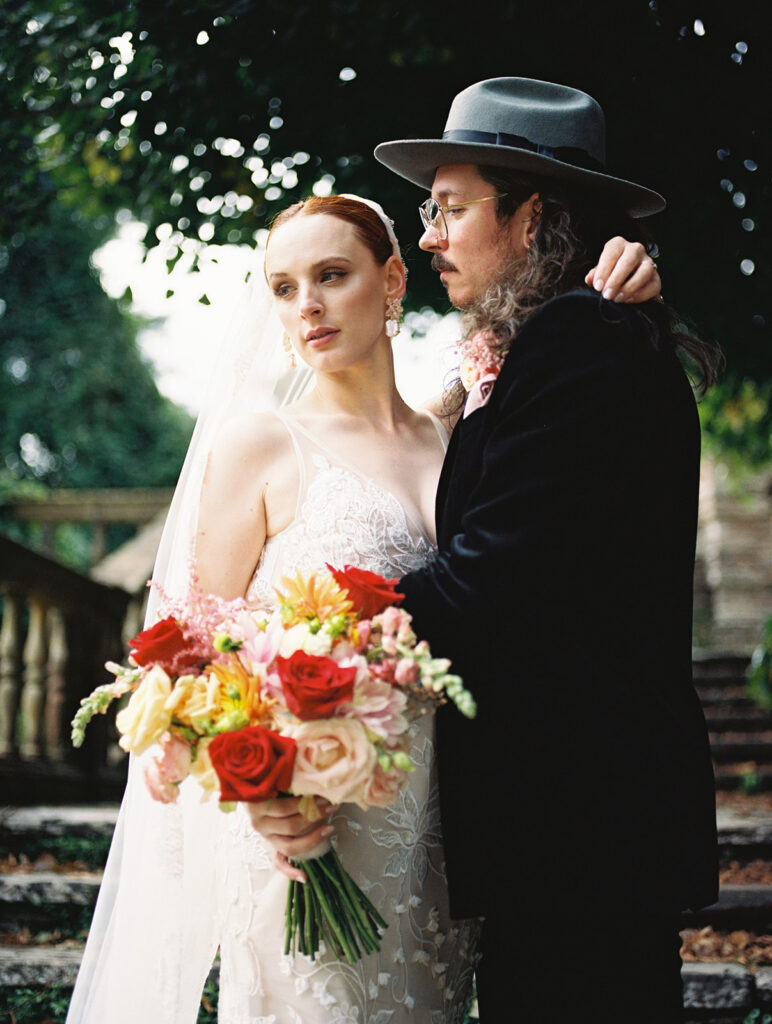
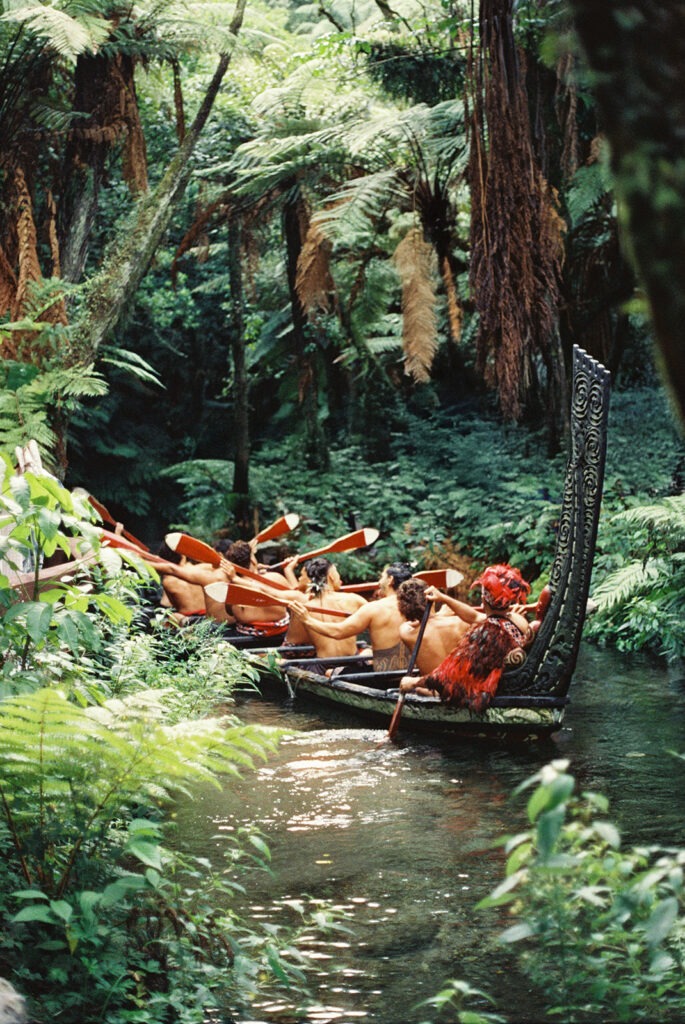
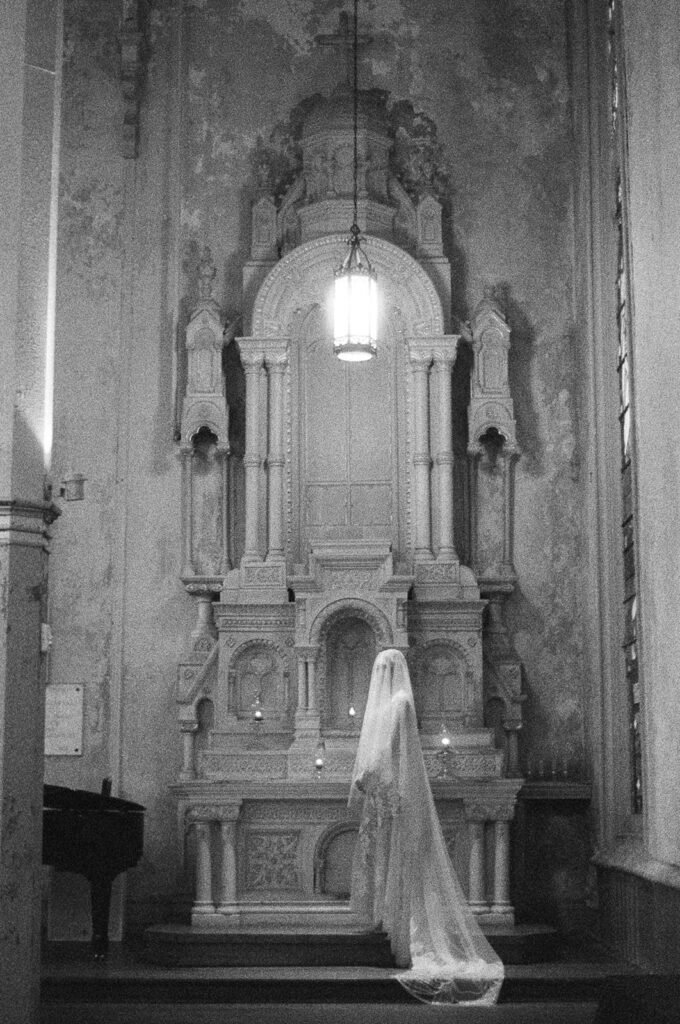
Intentionality over “Spray and Pray”
The biggest difference between a digital-heavy approach and a film-focused one is presence. When every frame of film is a physical cost, it forces me as your artist to be more observant.
Instead of taking 1,000 identical photos of a bouquet, I am looking for the soul of the day:
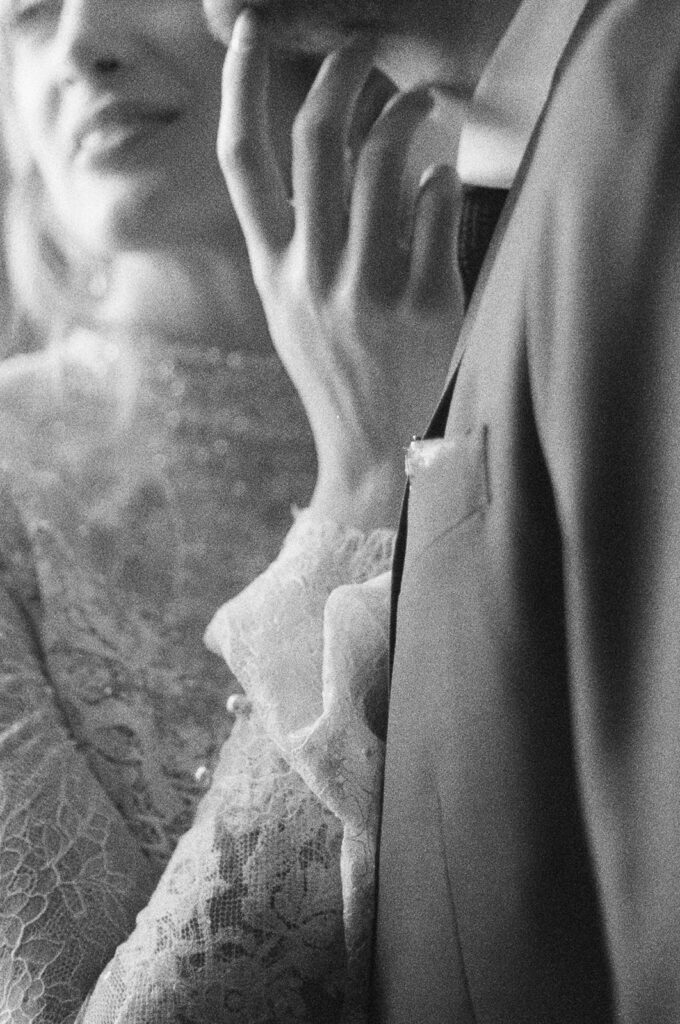
- The way your partner’s hand trembles during the vows.
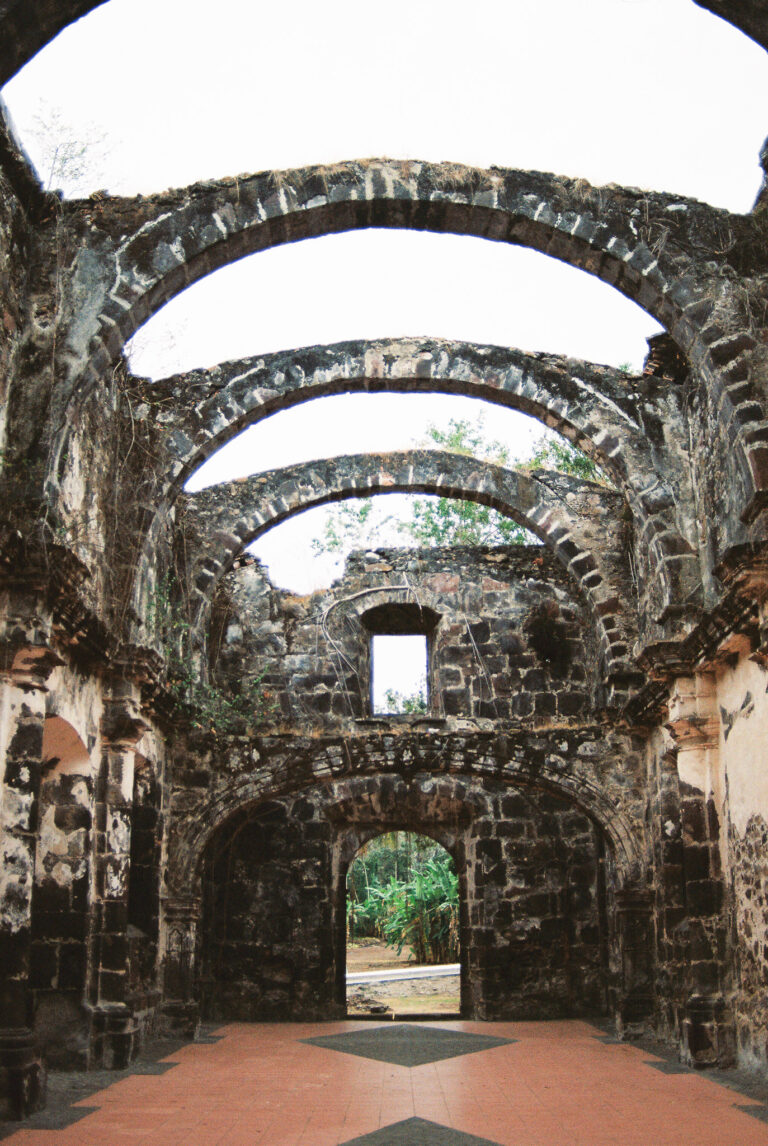
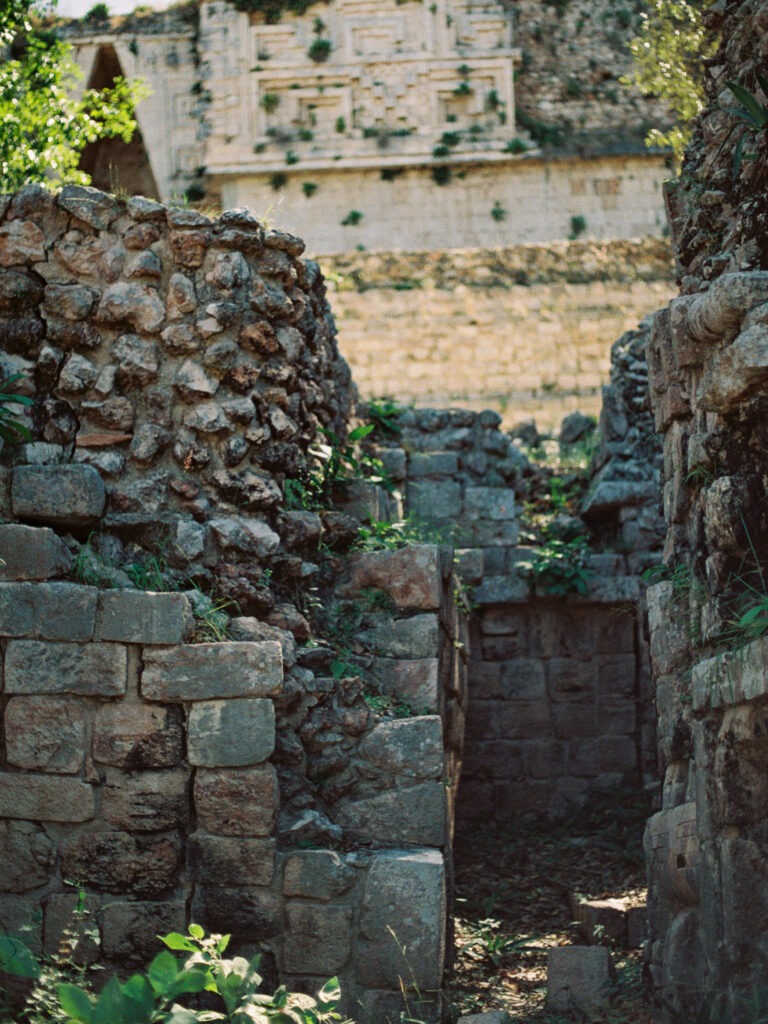
- The “weathered” patina of a historic French abbey.
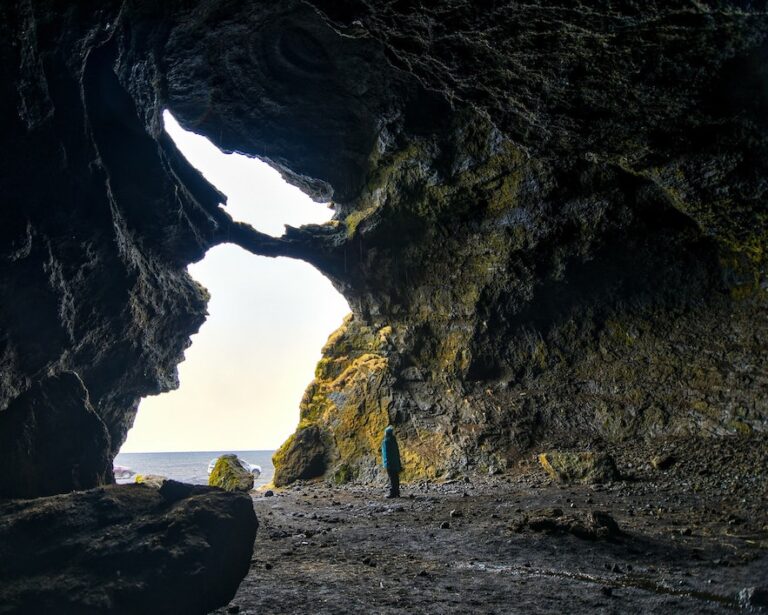
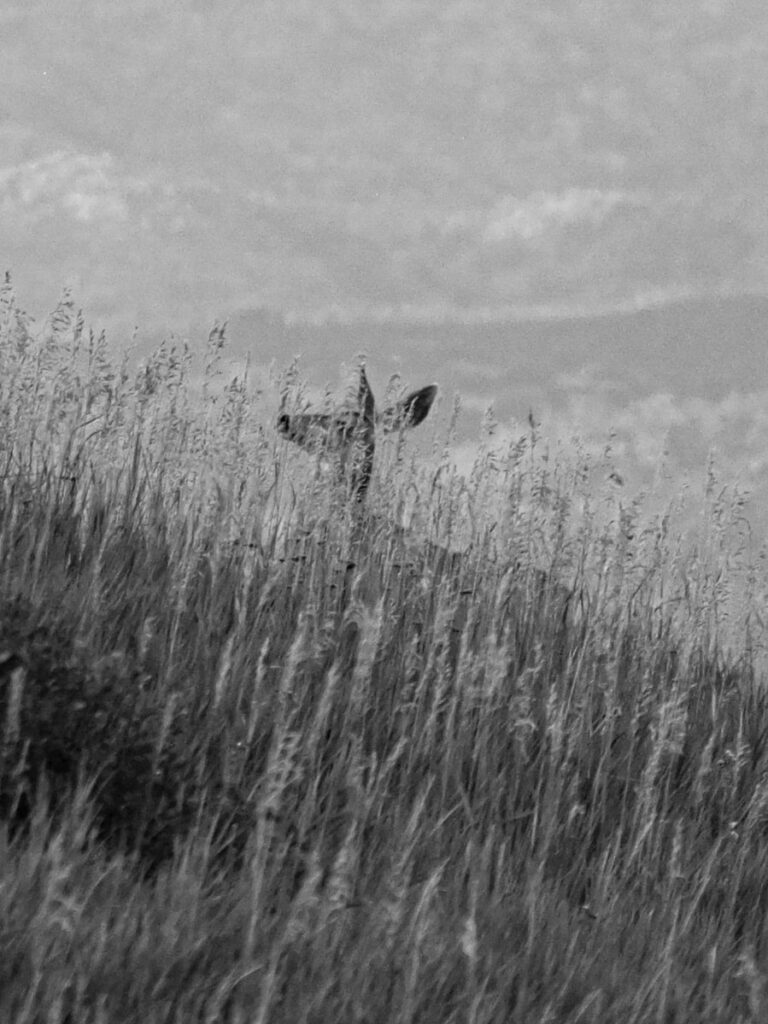
- The “editorial” stillness of a mountain landscape.
This results in a curated wedding gallery where every single image is a standalone piece of art, rather than a folder full of digital noise.
The Best of Both Worlds: A Modern Hybrid Workflow
I know what you’re thinking: “Do I still get digital copies?” Absolutely. While the soul of my work is analog, my delivery is modern. I work with world-class film labs to scan your negatives into high-resolution, archival digital files as well as photographing on digital cameras. This gives you the ethereal, grain-rich texture of film with the ease of an online gallery you can share instantly with family across the globe.
Planning Your Film Wedding: FAQ
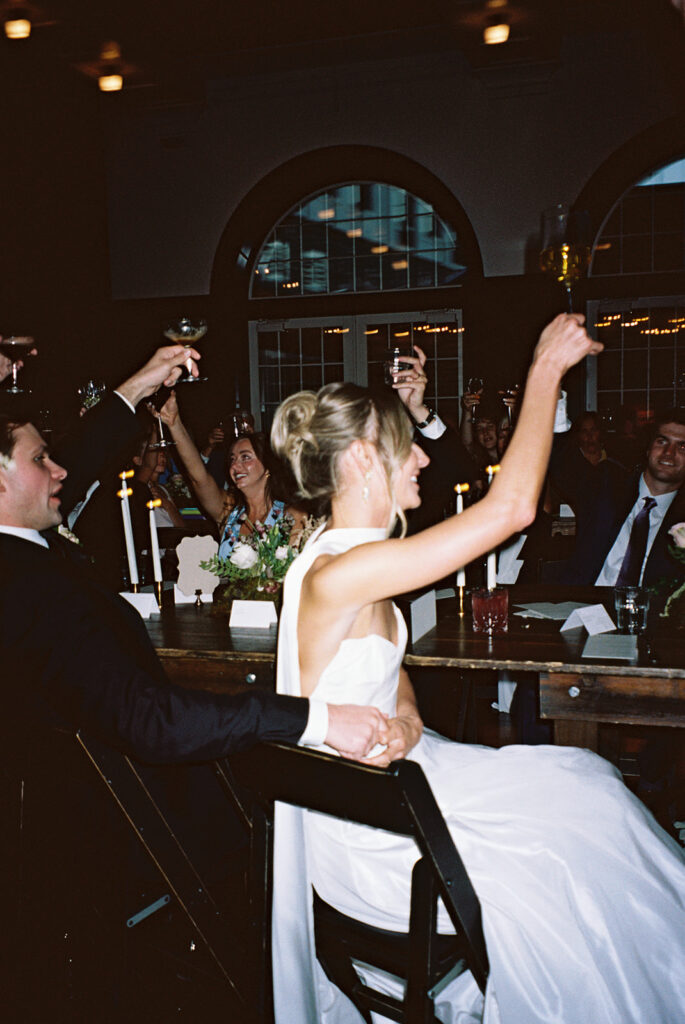
Q: Is film better for outdoor or indoor weddings? A: Both! In the bright, harsh light of a Colorado mountain noon, film retains more detail than digital. For evening receptions in Paris, I love using a “direct flash” technique on film to create high-energy, editorial party photos that feel like a 90s fashion campaign.
Q: Does film take longer to deliver? A: My lab process takes a bit of extra time for that perfect hand-developed touch, but I always provide a “Digital Sneak Peek” so you have beautiful memories to share while the film is being curated.
Q: Do you charge travel fees for destination film weddings? A: I am currently offering no travel fees for weddings in Paris, France, and across the Colorado Rockies, with special inclusive packages for destination weddings worldwide.
Why Film Feels Different
There is a scientific reason why film photography feels more organic than digital. While a digital sensor is a grid of static pixels, film consists of millions of light-sensitive silver halide crystals scattered in a random and beautiful pattern. This grain creates a sense of depth and movement that digital simply cannot replicate.
In my work, I lean into this organic texture to create images that feel weathered and soulful. Digital images are often mathematically perfect, but film is emotionally honest. It handles the transition from light to shadow with a softness that mimics the way the human eye actually perceives a memory. When you look back at your gallery in twenty years, I want you to feel the temperature of the air in the Rockies or the smell of the rain on a Parisian street. Film is the only medium that carries that specific weight.
In My Bag: The Tools of the Trade
My Favorite Film Gear for Destination Weddings People often ask what I am carrying when I am hiking a trail in Telluride or wandering the 1st Arrondissement. My kit is a deliberate mix of legendary analog systems and modern reliability. These specific tools allow me to capture the soulful and weathered aesthetic that defines my work.
The Travel Essential: I never travel without my lead-lined film bags. Whether we are flying over the Atlantic or the Rockies, I ensure your film is hand-checked and protected from airport X-rays. This preserves every bit of color and clarity in your final images.
The Medium Format Workhorses: I frequently interchange the Pentax 645 and the Rolleiflex 2.8D. The Pentax is an incredible tool for fast-paced wedding environments, while the Rolleiflex offers a slower and more intentional waist-level shooting experience. For those moments that require the ultimate in detail and “pop,” I reach for the Makina 67. It is a cult classic for a reason. Its folding design makes it perfect for adventure sessions in the Rockies.
Specialty and 35mm Systems: To add a cinematic and panoramic flair to your gallery, sometimes I use the Horizon 202. It captures a wide and sweeping perspective of mountain ranges or cityscapes that a standard camera simply cannot see. For high-speed moments and reliability, the Nikon F100 is my go-to 35mm choice. It provides the perfect bridge between classic film soul and modern autofocus precision.
My Film Stocks: My choice of film is dictated by the light and the mood of your destination. I primarily use Portra 400 and Portra 800 for their iconic and warm skin tones. When I want a nostalgic or sun-drenched feeling, I reach for Kodak Gold 200 or Fuji 200. For those moody and editorial evening sessions in Paris, Cinestill 800T is my secret weapon. It produces a distinct halation around city lights that feels like a still from a classic film.